
Only 8 of 55 new bin and street cleaning vehicles would be electric under the plan for Cabinet on 26 November. A trial electric lorry could not finish a round.
Most of the 55 new bin lorries and street cleaning vehicles South Oxfordshire needs will run on diesel, because an electric bin lorry cannot cover the district’s rural rounds. That is the conclusion of a report to the district council’s Cabinet on Thursday 26 November.
Officers recommend buying 47 diesel vehicles and eight small electric ones: two street cleaning tippers and six supervisor vans. There would be no large electric bin lorry.
The councils say the recommended option would save 47 tonnes of carbon emissions a year, and over 329 tonnes over the lifetime of the vehicles. The 47 non-electric vehicles would be “HVO-ready”, able to run on hydrotreated vegetable oil.
What the councils say
The joint waste service already runs two electric vehicles, a food waste truck and a caged tipper, and two more are due in early 2027. The councils say these work because they are smaller than the general waste lorries and have a longer range. If the eight are approved, the waste fleet would have 12 electric vehicles. Another nine are used by the councils’ facilities, public toilets and grounds maintenance teams.
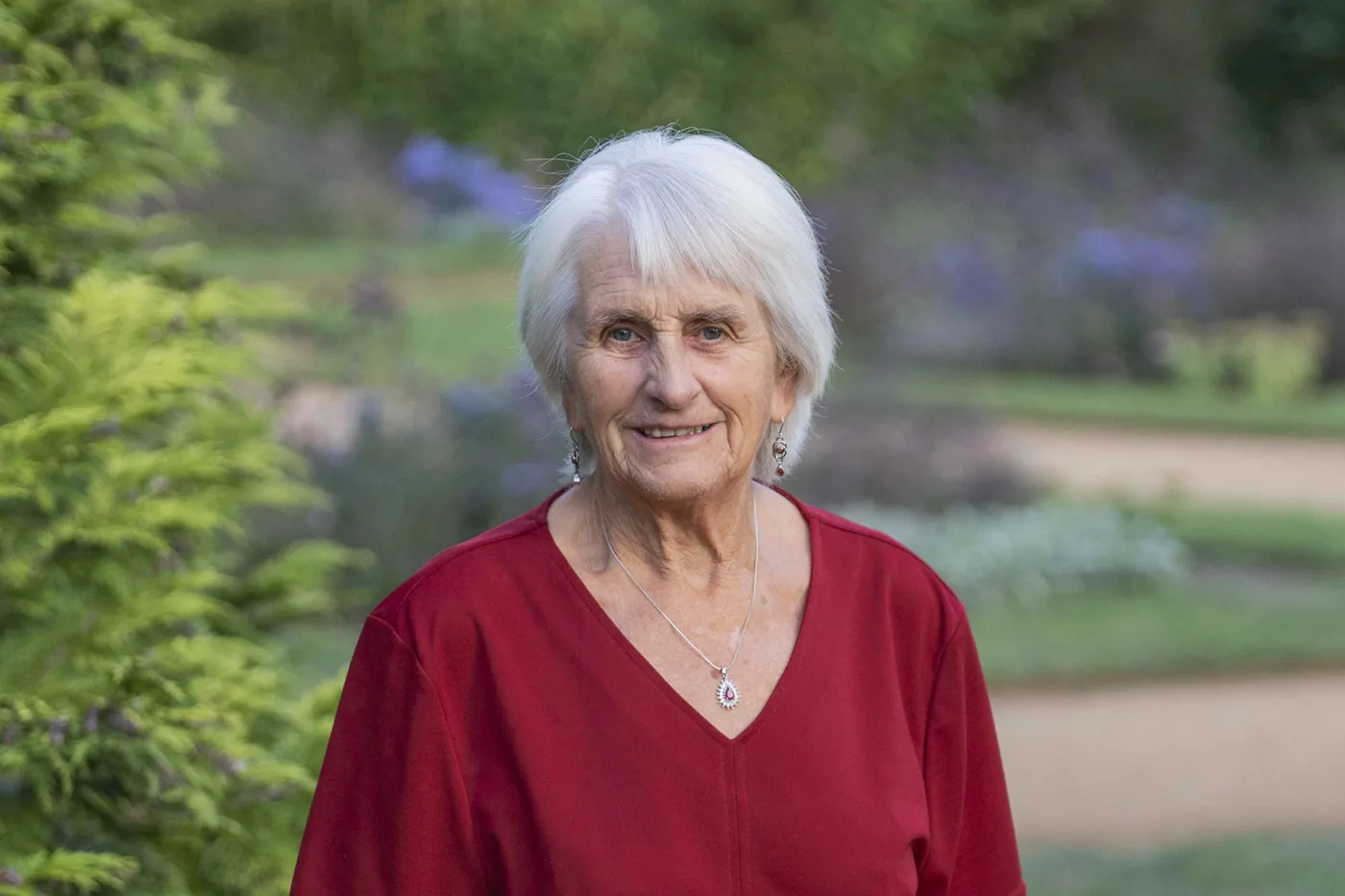
Cllr Sue Cooper, South Oxfordshire’s Cabinet Member for Environment, said: “Making the switch to electric vehicles is not easy due to the size of our area and the challenges of the lengthy rural waste collection routes, the trucks must complete. However, these options to increase our electric vehicle fleet will continue our progress towards our net zero ambitions, which will be good for our residents and for the environment. I welcome the discussion this week in helping us to get closer to where we need to be.”

Cllr Robert Clegg, the Vale’s Cabinet Member for Environmental Services, Climate Action and Nature Recovery, said: “It would be such good news to secure at least another eight electric vehicles in our waste collection and street cleansing fleet, alongside reliable vehicles that are HVO ready. The electric food waste truck and caged tipper, which have been in service for over 18 months now and covering thousands of miles across the districts, have already been saving carbon emissions with every mile, and providing a reliable service to residents, and we have a guaranteed two more on order arriving in early 2027.”
He added: “Ultimately, this decision needs to be carefully balanced around what represents the most reliable option and what we can realistically afford, securing best value for residents.”
Why not electric
The council owns the fleet that Biffa uses to collect bins in South Oxfordshire and the Vale of White Horse. It bought the last of Biffa’s old vehicles in June 2026. Of those 55, all are at least seven years old and most nine or more, the report says.
Biffa trialled an electric Renault bin lorry on rounds across both districts in May 2026. Battery or charging faults put it out of action on three of its 19 collection days. On the other 16 it could not finish a round on a single charge.
Biffa’s feedback, in the report, was that the lorry “performed well” but would struggle to do a full day’s work. The reason given is the distance between the new depot at Great Haseley, the villages and the tips. Rubbish and recycling go to Sutton Courtenay, and food and garden waste to Wallingford.
A 2024 trial of another electric lorry had what the report calls “significant issues with operational consistency”.
The depot’s power supply is also a limit. Until about 2028, it can charge at most two large electric lorries overnight, the report says.
The three options
Only Option 3 includes an electric bin lorry, and just one. The councils call it the most expensive option, carrying the most risk, at an extra capital budget of over £200,200 for each council. After two trials, they say, running larger electric vehicles in big rural districts “remains unproven with current waste vehicle technology available”. Costs are for both councils, which split them equally:
| Option | Electric vehicles | Cost for 55 new vehicles | Over budget by |
|---|---|---|---|
| 1 | 6 supervisor vans | £7,424,152 | £125,303 |
| 2 (recommended) | 6 vans and 2 small tippers | £7,489,344 | £190,495 |
| 3 | 6 vans, 2 small tippers and 1 bin lorry | £7,699,252 | £400,403 |
The council has £7,298,848 left in its budget for the replacements. Option 2 would mean South Oxfordshire borrowing an extra £95,248, costing £13,607 a year.
To stay within budget, officers also want to look for second-hand vehicles. The report warns these would not last as long as new ones.
What it means for the climate target
The bin and street cleaning fleet produced 57.09% of the council’s own carbon emissions, the report says. South Oxfordshire’s share of the fleet’s emissions was 1,266 tonnes of carbon dioxide equivalent in 2024/25. Biffa used about 988,000 litres of diesel across both districts that year.
The recommended option would cut the fleet’s emissions by 1.9%. The council has pledged to be net zero in its own operations by 2030, and the report says plainly that with a mostly diesel fleet “the council will fail to meet” that commitment.
Switching the fleet to hydrotreated vegetable oil (HVO) could cut its emissions by up to 90%, the report says. That is a separate decision, in next year’s budget. The councils say all diesel vehicles with Euro 6 engines can run on HVO, made from waste oils, fats or animal feedstocks, and that its use is subject to approval in 2027 and to finding a responsibly sourced supply.
What it means for you
Your bin day and collections do not change. The new vehicles are due to arrive by March 2028, replacing lorries that break down more often as they age.
The Cabinet meets at Abbey House in Abingdon at 6pm on 26 November. The decision has to be made jointly with the Vale of White Horse, whose Cabinet meets at 10.30am on Friday 27 November.
Sources
- Waste collection and street cleansing vehicle purchases, report and Appendix 1, South Oxfordshire District Council Cabinet, 26 November 2026, agenda item 7, for every figure, the trial results, Biffa’s feedback and the options.
- Vale of White Horse District Council Cabinet, 27 November 2026, the same report for the Vale.
Source: South Oxfordshire and Vale of White Horse District Councils.
Have your say